BITBAS – A Creative Coding Platform for the Nintendo Famicom
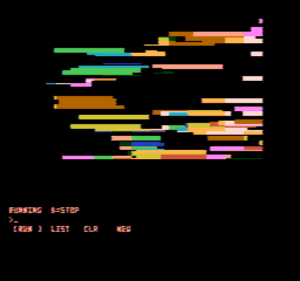
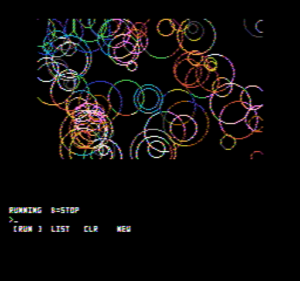
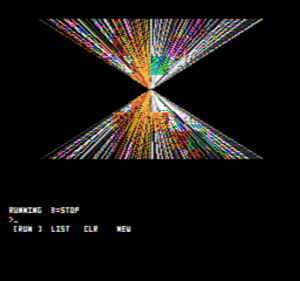
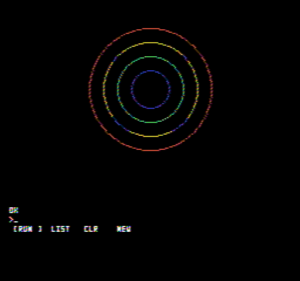
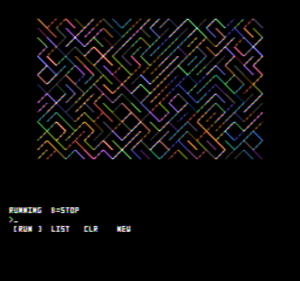
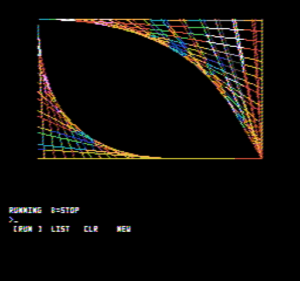
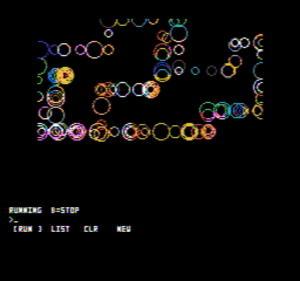
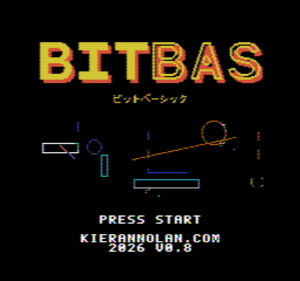
The video below is from the v0.8 preview of BITBAS, a creative coding platform for the 8-bit Nintendo Famicom / NES console.
BIT for 8-bit, low bitrate, and bitmap graphics, and BAS for the Basic programming language. The coding syntax is inspired by p5.js, Basic, and Csound. It is built within constraints, each program has a maximum of 16 lines, which are a maximum of 32 characters each.
All hardware prototyping has so far been testing using an Evercade N8 cartridge which allows running the demo ROMs from an SD card on an AV model Famicom console. The test ROMs are also been tested through the MESEN emulator.
BITBAS is compatible with the Famicom keyboard, and can also be programmed with a virtual onscreen keyboard. It is also supports experimental a host of peripherals including Taito’s ‘Vaus’ Arkanoid paddle, the iconic Cyberglove, the NES Zapper, and the Famicom 3D system.
Development of BITBAS began in July 2026. At the time of the last update to this text (4 October 2026) the project is at pre-release version 0.9, and runs on a 128k MMC3 Cartridge specification. Version 0.8 of BITBAS was originally designed inside a 32k cartridge limit. This project is in part an experiment in using AI as a retro platform development kit, translating natural language text prompts to highly optimised NES machine code through an iterative process of interactive and audiovisual design, user testing and debugging. Having the assembly toolchain run server side has allowed this project to be created in no small part with a smartphone while on the go.
The platform’s features are been shaped by the demo programs, each of which explore the 1983 Nintendo Famicom’s hardware features within the added constraints of the BITBAS program listing structures. Each new coding command expands BITBAS’s creative palette.
The BITBAS Famicom cartridge is accompanied by an 160 page user manual, as was customarily included with 8-bit microcomputers back in the day. It covers all functionality, including full code listing and explanations for all the demo programs included on the cartridge. The test edition is a special spiral bound flip-book format in both English and Japanese. A custom hardware peripheral is also under development.
More updates to follow.